

Autostrada strengthens the protection of frontline roads with anti-drone nets
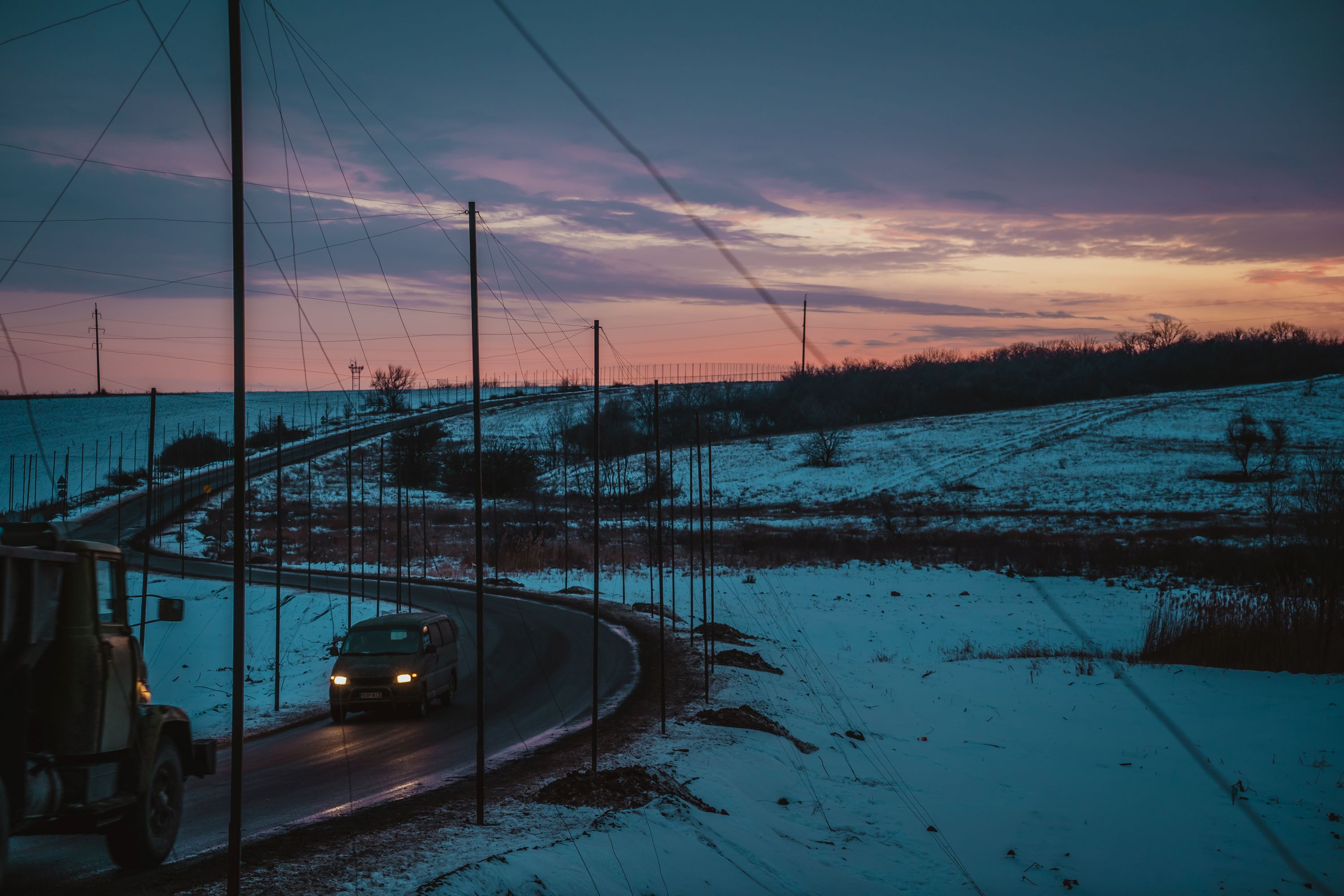
The Pokrovsk direction remains one of the most intense areas of the frontline, where the enemy systematically uses FPV drones and aerial reconnaissance to disrupt logistics and evacuation. Roads used for transporting ammunition, fuel, humanitarian supplies, and evacuating the wounded are the primary targets.
In response to these threats, Autostrada is implementing an engineering solution that was previously carried out exclusively by military units—the construction of protective structures using anti-drone nets over frontline transport corridors. Autostrada is the first civilian infrastructure company to perform this work systematically and on a large scale.
Construction is carried out without interfering with the road surface, which preserves route capacity and allows traffic to continue. Part of the structures is assembled off-site, minimizing the time workers spend on the roadway and enabling faster installation. Before work begins, all sections undergo mandatory inspection by explosive ordnance disposal units. Due to the risk of mines, the working area is limited to five meters from the edge of the asphalt, and the work itself is carried out under constant threat of shelling.
Thanks to its own production facilities, centralized supply of materials, and a modern fleet of specialized equipment, Autostrada teams operate at a pace three times faster than military units. The structures create a physical barrier against FPV drones and loitering munitions, complicate aerial strike adjustment, and reduce losses of equipment and personnel.
Protecting frontline roads primarily means protecting people. The effectiveness of anti-drone protection has already been proven in practice. In particular, the net helped protect Autostrada personnel and equipment during one of the incidents.
Autostrada’s work under these conditions is a practical engineering response to modern wartime threats and directly contributes to saving lives, maintaining stable supply routes, and supporting overall defense effectiveness. Approximately 100 workers and more than 50 units of equipment are involved at the site.


